

South America is a continent of contrasts, where breathtaking natural landscapes, diverse cultures, striking flavors, and vibrant cities blend together.
Planning a trip through Brazil and Argentina? Combining Rio de Janeiro, iguazu falls (Foz do Iguaçu), and Buenos Aires allows travelers to experience some of South America’s most iconic landscapes, cities, and cultures in a single journey. From the beaches and landmarks of Rio de Janeiro to the spectacular Iguazu Falls (brazilian side) and the cultural energy of Buenos Aires, this itinerary connects three destinations with very different experiences.
On the same journey, visitors can enjoy one of the planet’s greatest natural wonders, explore world-renowned cities, and experience diverse Latin American cultures.
Rio de Janeiro: Beaches, Landmarks and Brazilian Culture
The itinerary can begin in Rio de Janeiro, one of the most famous cities in the world and a destination that combines lush nature, urban life, and internationally recognized icons.
With its beautiful beaches, mountainous landscape, rich culture, and fun, Rio offers an experience for anyone who wants to discover Brazilian diversity.
Among the main attractions is Christ the Redeemer, one of the Seven Wonders of the Modern World, located atop Corcovado Mountain with one of the most breathtaking panoramic views of the city.
Another highlight is Sugarloaf Mountain, where the classic cable car ride reveals a landscape bringing together Guanabara Bay, the beaches, and Rio’s mountains.
Beyond the postcards, visitors can explore:
- The beaches of Copacabana and Ipanema;
- Tijuca Forest, one of the largest urban forests in the world;
- The Botanical Garden, featuring species of Brazilian flora;
- The historic neighborhoods of Santa Teresa and Lapa;
- The gastronomy, music, and local carioca lifestyle.
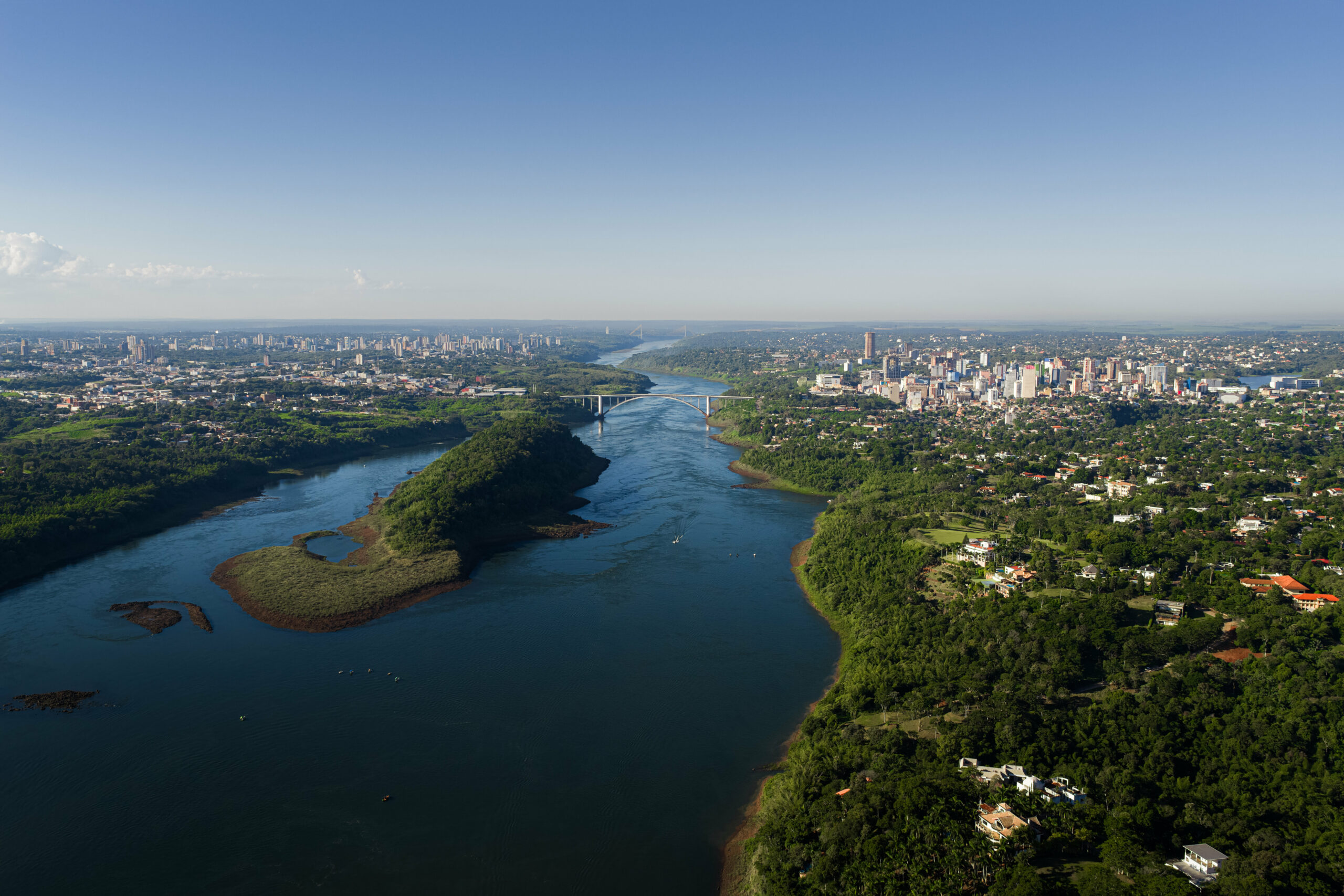
After Rio de Janeiro, travelers head to Iguazu (Foz do Iguaçu). Located on the border between Brazil, Argentina, and Paraguay, the city has a unique feature: within a few kilometers, it is possible to experience different countries, cultures, and landscapes.
The main highlight is Iguaçu Falls, one of the New 7 Wonders of Nature and a UNESCO World Natural Heritage Site. Formed by approximately 275 waterfalls along the Iguaçu River, the falls impress with their force, scale, and beauty. Surrounded by preserved Atlantic Forest, they provide a connection with nature that ranks among the most memorable on the planet.
The trails, walkways, and viewpoints of Iguaçu National Park allow visitors to see different perspectives of the falls, while boat tours offer an even closer experience with the power of the water.
But Iguazu (Foz do Iguaçu) goes far beyond the waterfalls. During the visit, travelers can also explore:
- Parque das Aves (Bird Park), a space dedicated to the conservation of Atlantic Forest species and close contact with various animals;
- Itaipu Dam, one of the largest engineering works in the world, combining technology, energy, and sustainability;
- Three Borders Landmark (Marco das Três Fronteiras), where Brazil, Argentina, and Paraguay meet, featuring cultural experiences and one of the best spots to watch the sunset;
- The city’s multicultural gastronomy, influenced by the presence of diverse communities and nationalities.
Buenos Aires: Tango, gastronomy, and Argentine tradition
The next stage of the journey takes visitors to Buenos Aires, the Argentine capital known for its strong cultural identity and its culinary and artistic experiences.
The city offers a unique combination of history, architecture, music, and traditions that reveal different sides of Argentina.
Must-visit places include:
- La Boca, with its colorful streets and history tied to tango;
- San Telmo, with its markets, antiques, and historic buildings;
- Recoleta, with museums, cultural centers, and important monuments;
- Palermo, with parks, restaurants, and a vibrant urban scene.
Gastronomy is also one of the great experiences in Buenos Aires, featuring traditional restaurants, historic cafes, Argentine wines, and typical dishes.
To complete the visit, watching a tango show is a great way to experience one of Argentina’s greatest cultural expressions.
A strategic alternative: Iguazu as a base for two capitals
Located at the Triple Frontier between Brazil, Argentina, and Paraguay, Foz do Iguaçu is one of the most unique stops on this South America itinerary. The city is home to Iguaçu Falls, one of the New 7 Wonders of Nature, and offers visitors the opportunity to combine nature, adventure, wildlife, culture, and cross-border experiences in a single destination.
Visitors can stay extra days in the city, taking time to enjoy the Falls, Parque das Aves, Itaipu Binacional, the Three Borders Landmark, visiting Aquafoz, taking part in outdoor nature adventures, or even shopping in Paraguay.
Afterward, they can extend the itinerary by adding one of the two most iconic capitals on the continent:
- Rio de Janeiro, to experience the beaches, world-famous monuments, samba, and carioca energy;
- Buenos Aires, to discover tango, Argentine gastronomy, historic neighborhoods, and the capital’s rich culture.
Easy connections
One advantage of this itinerary is the ability to combine three destinations using flight connections between major regional airports.
Travelers can set up the trip in different ways depending on their origin and interests:
Rio de Janeiro → Iguazu Falls (Foz do Iguaçu)
The route between Rio de Janeiro and Iguazu (Foz do Iguaçu) has direct flights lasting just over two hours, making it easy to link Rio’s urban and coastal experience with the nature of Iguaçu Falls. The route is operated by airlines such as Gol and LATAM.
Iguazu Falls (Foz do Iguaçu) → Buenos Aires
To travel from Iguazu (Foz do Iguaçu) to Buenos Aires, visitors have several options. From Foz do Iguaçu International Airport, a layover is currently required to reach the Argentine capital. Options include connections through major Brazilian airports like São Paulo and Rio de Janeiro.
Another highly strategic alternative is to take advantage of Foz’s location on the international border and cross into Puerto Iguazú, Argentina, where travelers can board a flight to Buenos Aires from the Argentine airport. This option turns the Triple Frontier region into part of the travel experience itself.