
The Atlantic Forest in Iguazu Falls, is one of the last great refuges of one of the world’s most biodiverse ecosystems. Covering parts of 17 Brazilian states, the Atlantic Forest is home to thousands of plant and animal species, many of which are found nowhere else on Earth. Today, only about 12% of its original vegetation remains, making protected areas such as Iguaçu National Park essential for biodiversity conservation.
In Iguazu, however, visitors can experience one of these preserved areas firsthand. Walking through its natural landscapes means exploring a territory where rivers, centuries-old trees, birds, mammals, reptiles, and insects coexist within a complex and interdependent ecosystem that continues to be the focus of scientific research and ongoing conservation efforts.
It is precisely this forest that makes the existence of the Iguazu Falls possible. The Atlantic Forest protects springs, regulates the water cycle, maintains river quality, and provides shelter for hundreds of species that depend on a preserved environment to survive.
Iguaçu National Park: The Heart of the Atlantic Forest in Iguazu Falls
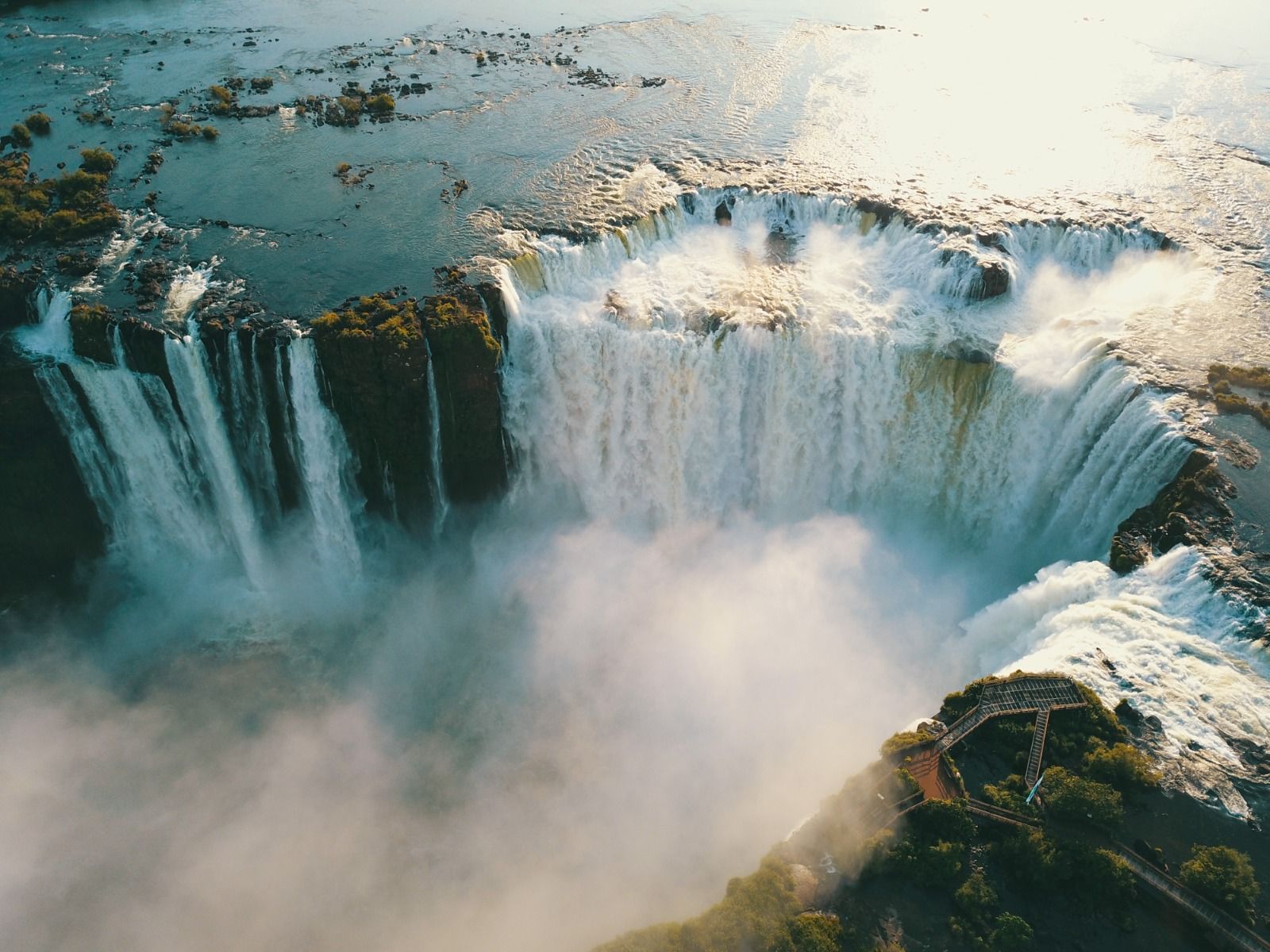
The main symbol of this preservation is Iguazu National Park. Established in 1939 and recognized by UNESCO as a Natural World Heritage Site since 1986, the park protects more than 185,000 hectares of Atlantic Forest and ranks among the most important protected areas in Brazil. In addition to being home to the Iguazu Falls, one of the New Seven Wonders of Nature, the park plays a fundamental role in scientific research, environmental education, and the protection of Brazilian biodiversity.
The protected area is part of an important ecological corridor connected to Iguazú National Park in Argentina, forming one of the largest continuous forest areas in south-central South America. This integration allows wildlife to move freely across borders and strengthens conservation efforts throughout the Triple Frontier region.
Within the park, the experience goes far beyond admiring the waterfalls. The preserved forest allows visitors to observe a rich diversity of landscapes and ecosystems. More than 700 plant species have been recorded, including endangered trees such as the pink peroba and the juçara palm, as well as vegetation typical of the Semi-Deciduous Seasonal Forest that characterizes western Paraná.

The park’s wildlife is equally impressive. It is home to approximately 158 mammal species, 390 bird species, 48 reptile species, 12 amphibian species, and 175 fish species, in addition to hundreds of invertebrates. Among the most recognizable animals are coatis, tapirs, deer, monkeys, caimans, toucans, parrots, hummingbirds, and the macuco, a bird that inspired the name of one of the region’s most traditional tours.
The greatest symbol of this biodiversity is the jaguar. Considered the largest feline in the Americas and a key species for ecological balance, it occupies the top of the food chain and serves as an indicator of forest health. The presence of a breeding jaguar population demonstrates that the ecosystem remains functional and capable of sustaining large predators. Today, Iguazu National Park in Brazil and Iguazú National Park in Argentina are home to the largest population of jaguars in the Atlantic Forest, the result of decades of environmental protection and scientific monitoring carried out through the Iguaçu Jaguars Project.
Exploring the Forest Beyond the Falls
For visitors, the Atlantic Forest can be experienced throughout the entire journey inside Iguazu National Park. The traditional Falls Trail, approximately 1.5 kilometers long, offers panoramic views of the waterfalls while winding through native forest rich in birdlife, butterflies, and other wildlife.
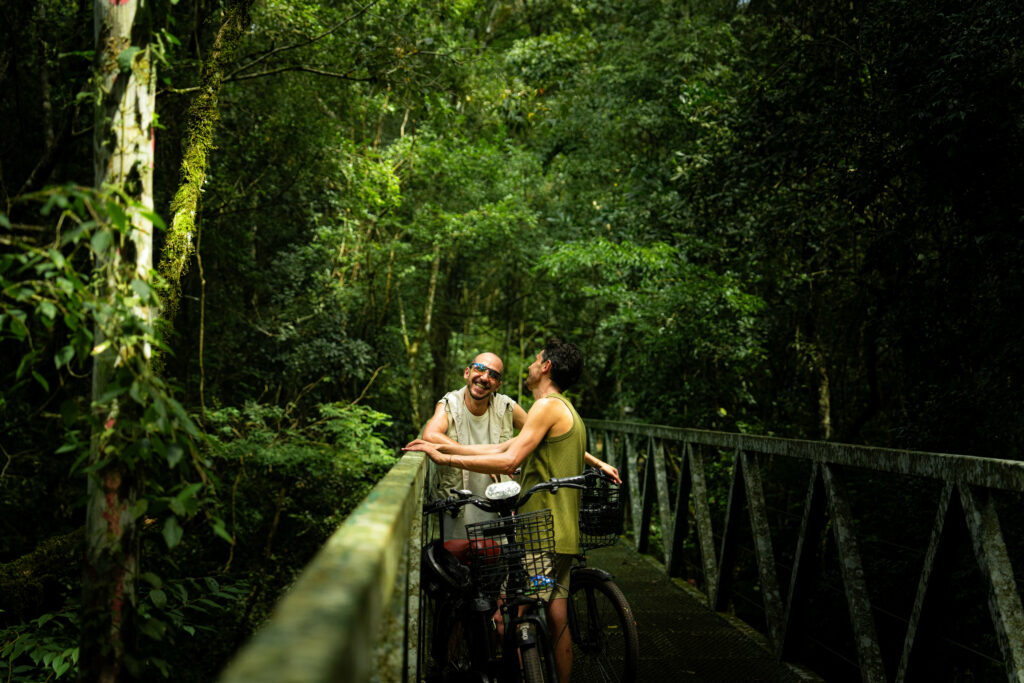
Beyond the main route, the park features additional trails and cycling paths that provide different levels of immersion into the forest. Options such as the Poço Preto Trail, São João Circuit, Bananeiras Trail, and Canafístula Trail allow visitors to explore quieter areas of the protected forest, observe native flora and fauna, and discover landscapes far beyond the famous viewpoints of the falls.
Adventure Tours and Complementary Experiences
Macuco Safari
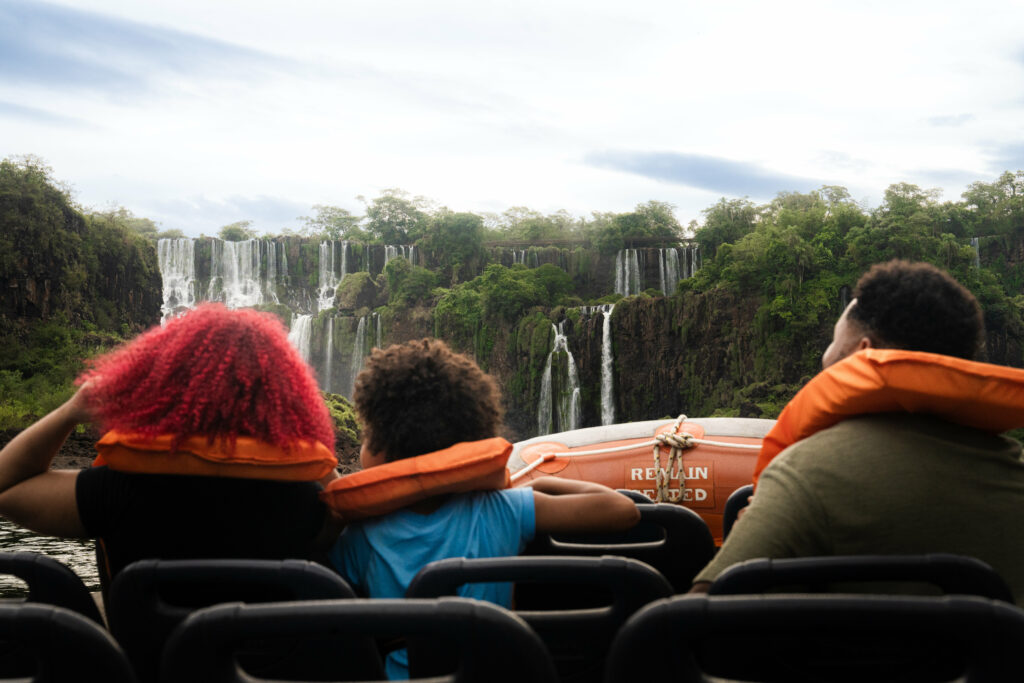
The experience begins with a three-kilometer ride through the forest aboard an electric vehicle, followed by an optional 600-meter walk to the riverbank. From there, twin-engine inflatable boats navigate upstream along the Iguaçu River, approaching the waterfalls for an unforgettable close-up encounter.
Helicopter Flight (Helisul)
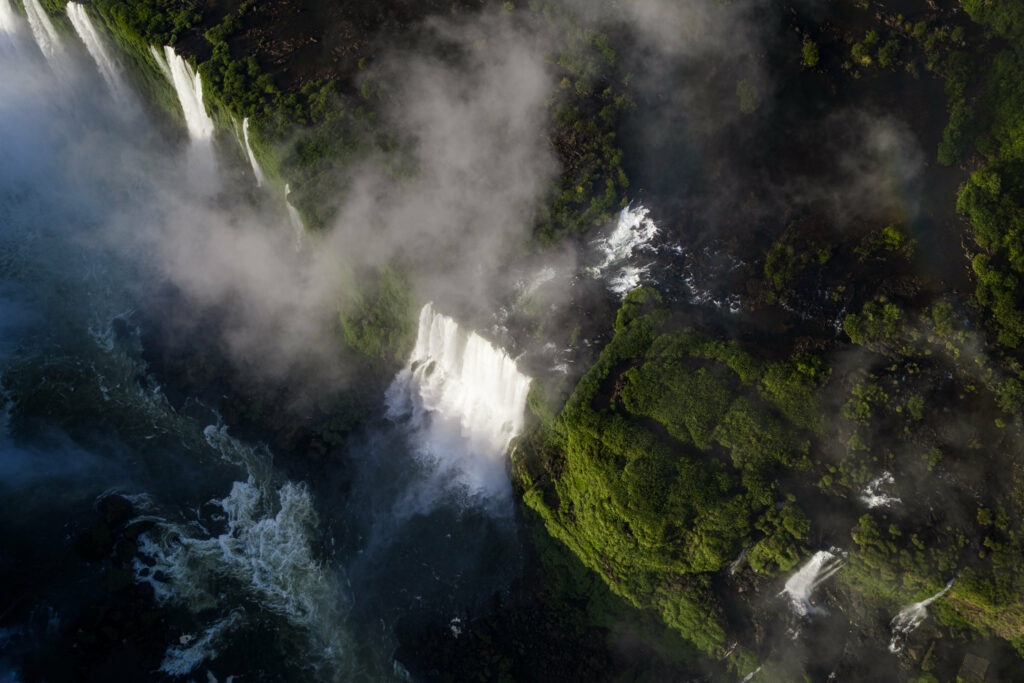
This approximately 10-minute panoramic flight offers breathtaking aerial views of the Atlantic Forest canopy, the geographic formation of the Iguaçu Falls, and the Iguaçu River canyon.

Bird Park: Atlantic Forest Wildlife in Iguazu
Located next to the entrance of Iguazu National Park. brazilian side, Bird Park offers visitors the opportunity to experience the biodiversity of the Atlantic Forest up close while gaining a deeper understanding of the importance of conserving one of the world’s most threatened biomes. Unlike a conventional zoo, the institution focuses on the protection, research, and breeding of native species, providing immersive experiences in environments that replicate the natural conditions of the forest.
The visit follows a 1.5-kilometer trail surrounded by Atlantic Forest vegetation. Along the way, visitors walk through large immersive aviaries where birds fly freely around them. Macaws, toucans, parrots, jacutingas, and hundreds of other species can be observed at close range.
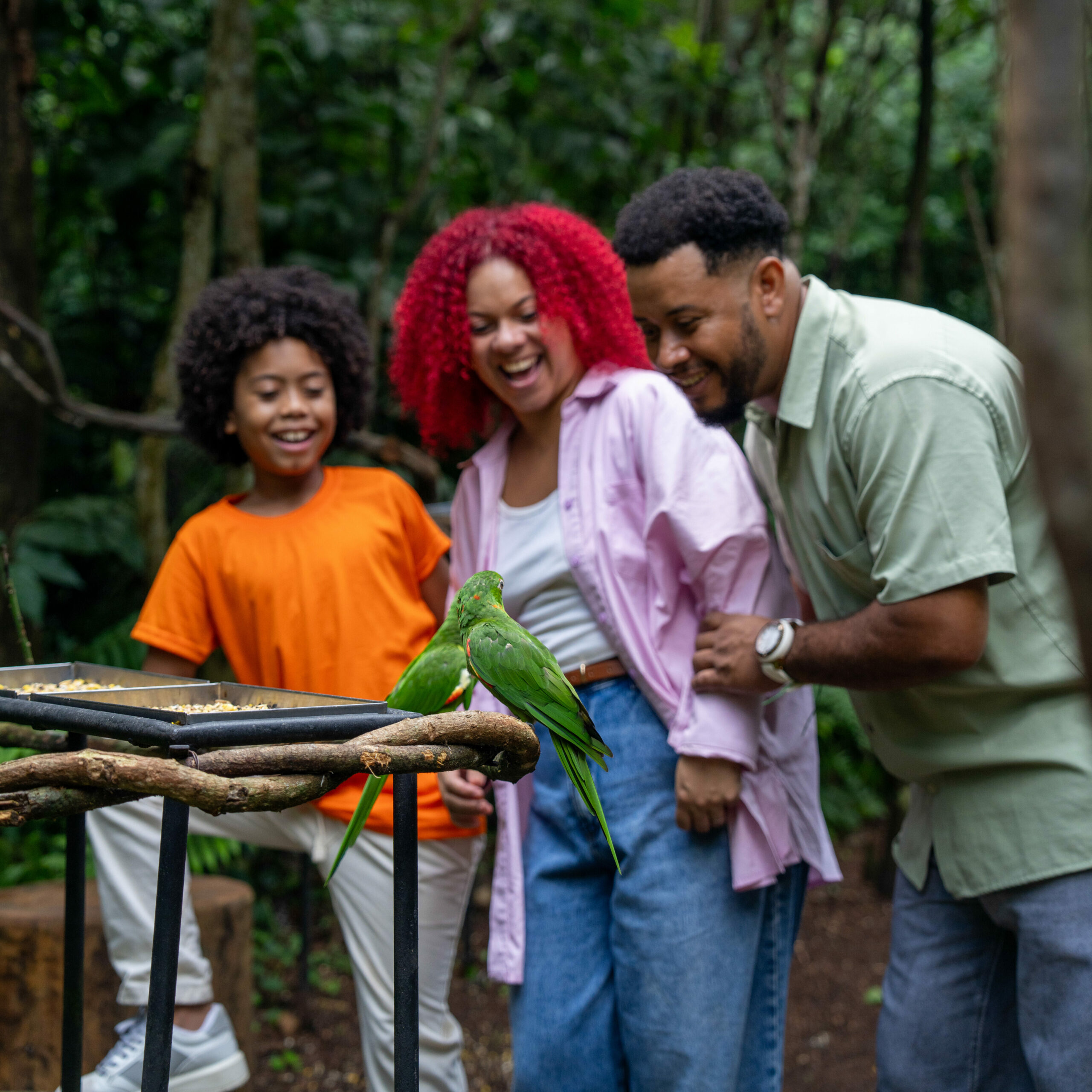
Bird Park is home to more than 1,400 animals representing over 130 species, most of them native to the Atlantic Forest. Many of these animals arrived through rescue operations conducted in partnership with environmental agencies after falling victim to wildlife trafficking, mistreatment, accidents, or habitat loss.
In addition to animal care, the institution participates in conservation programs recognized as benchmarks in Brazil, including projects dedicated to the breeding and recovery of endangered species.
Environmental education is also a key part of its mission. Every year, thousands of students take part in activities designed to connect children, young people, and educators with the realities of the Atlantic Forest and its conservation challenges.
The work carried out by Bird Park has received international recognition. It was the first Brazilian zoo to earn accreditation from the Latin American Association of Zoos and Aquariums (ALPZA) and also holds a national animal welfare certification awarded by the Brazilian Association of Zoos and Aquariums (AZAB).
AquaFoz: Exploring the Rivers of the Atlantic Forest
Created as a new space dedicated to environmental education and tourism, AquaFoz invites visitors to discover the richness of the Paraná and Iguaçu rivers and their connection to the Atlantic Forest.
With 3.3 million liters of water, AquaFoz ranks among the largest aquariums in South America. Its tanks recreate a variety of habitats, allowing visitors to observe fish species and other aquatic organisms in carefully designed environments.
More than a tourist attraction, AquaFoz serves as a center for research, conservation, and environmental awareness. The institution develops initiatives focused on studying and protecting aquatic biodiversity while promoting educational activities about river conservation.

Hidden Waterfalls and Adventure in the Atlantic Forest
Beyond the iconic viewpoints of Iguazu Falls, the Atlantic Forest in Foz do Iguaçu hides rivers, waterfalls, and lesser-known trails that offer a deeper connection with nature. Experiences such as Aguaray Eco Sports and Iguassu Secret Falls allow visitors to explore preserved sections of the forest, discover hidden waterfalls, and observe the biodiversity that thrives beyond the main tourist routes. These activities combine outdoor adventure with environmental interpretation, revealing another side of one of Brazil’s most important ecosystems.
Aguaray Eco Sports
Located near Iguaçu National Park, Aguaray Eco Sports combines hiking, kayaking, and waterfall bathing in a single experience. The expedition begins along trails through the Atlantic Forest, where visitors learn about the region’s flora, fauna, and local history before reaching the banks of the Iguaçu River. From there, participants paddle through calm waters surrounded by native vegetation, followed by short forest walks leading to secluded waterfalls hidden within the biome. The experience offers a unique perspective of the Atlantic Forest while highlighting the ecological importance of the Iguaçu River and its surrounding forests.
Iguassu Secret Falls
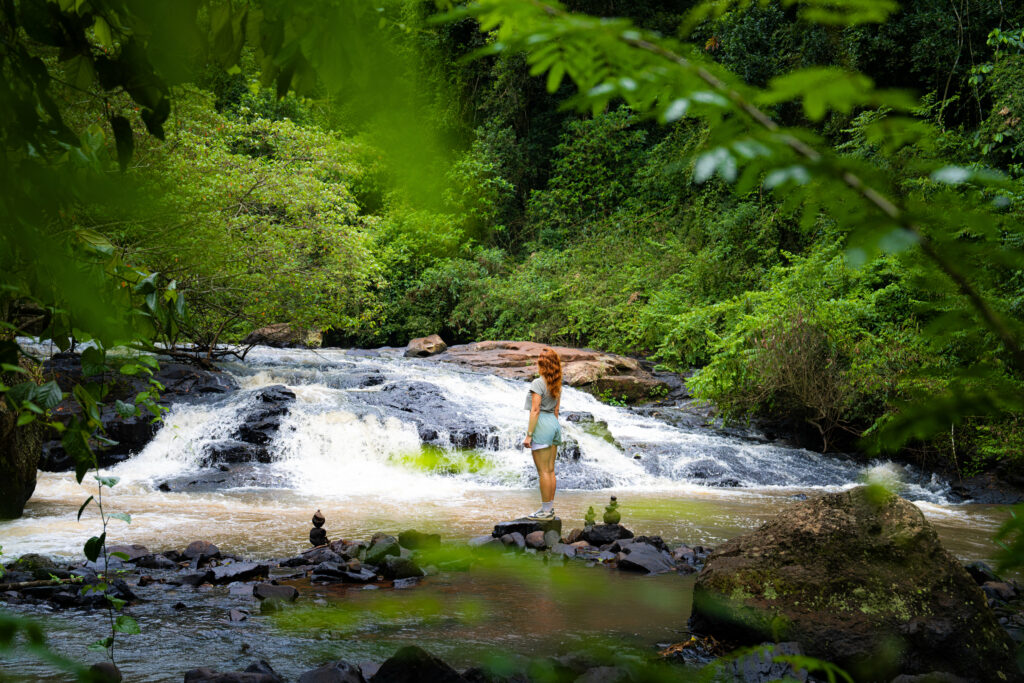
For travelers seeking a more immersive ecotourism experience, Iguassu Secret Falls offers guided hikes to some of the most preserved waterfalls in the region. Depending on the itinerary, visitors can explore multiple trails, natural pools, and forest streams while learning about the geology, biodiversity, and history of western Paraná. The experience takes place in areas of Atlantic Forest rarely visited by most tourists, providing opportunities to enjoy hidden waterfalls, observe native wildlife, and experience the tranquility of one of the best-preserved natural environments around Iguazu Falls.
Bela Vista Biological Refuge: Atlantic Forest Conservation in Iguazu
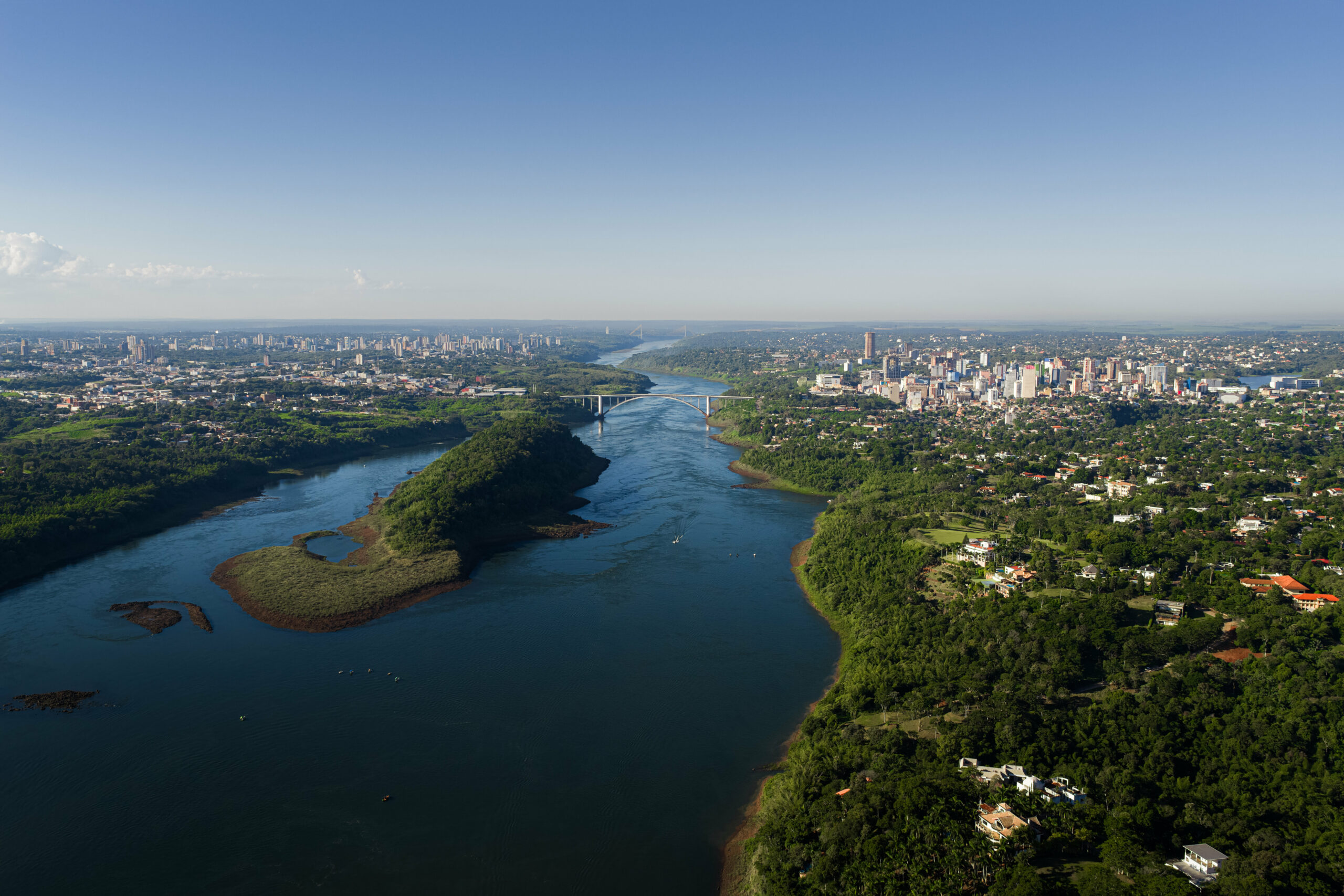
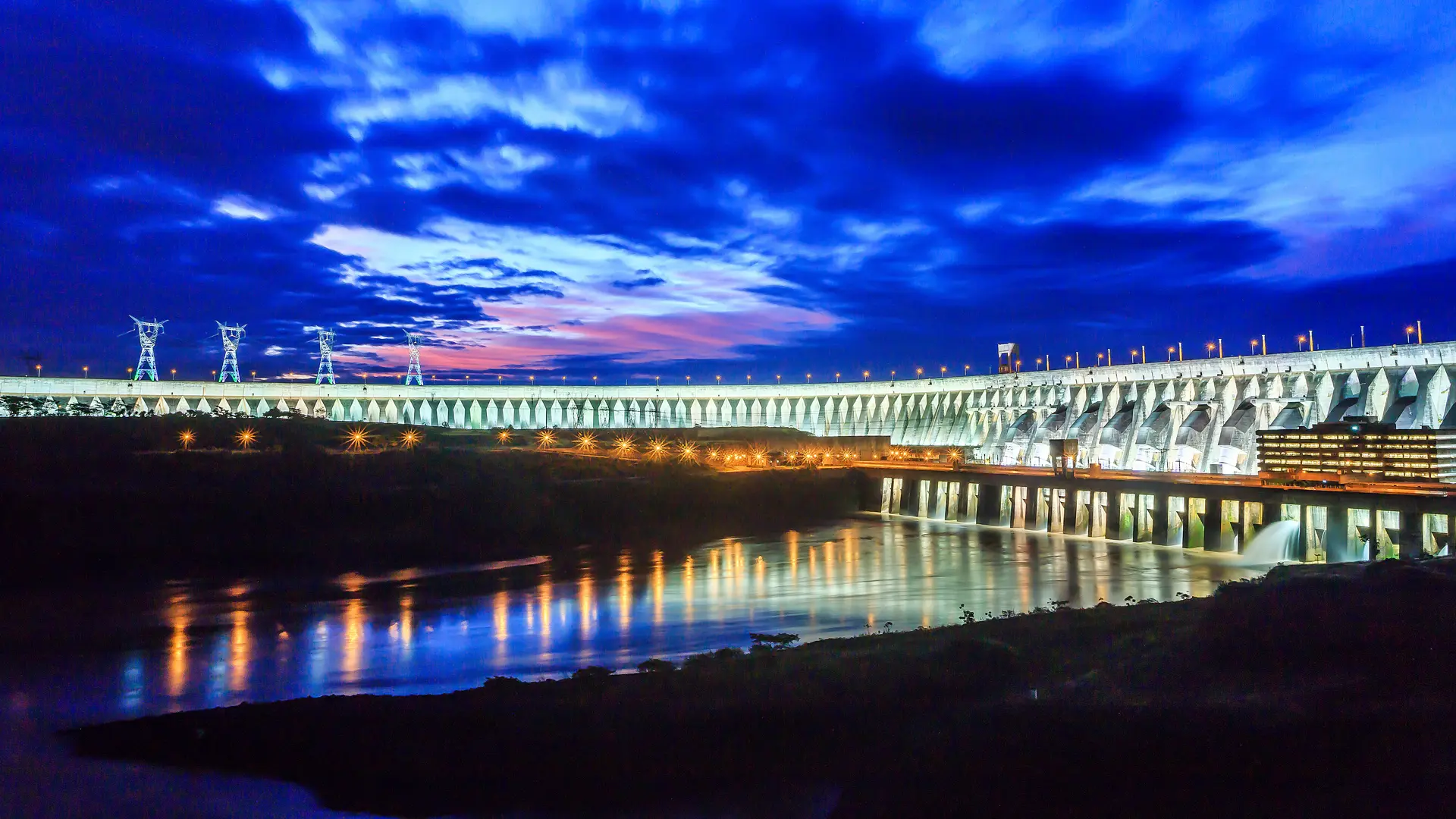
Maintained by Itaipu Binacional, the Bela Vista Biological Refuge is one of the leading centers dedicated to Atlantic Forest conservation in Foz do Iguaçu. Established in 1984 to mitigate the environmental impacts caused by the creation of the Itaipu Reservoir, the refuge has become an important center for wildlife and flora preservation, scientific research, endangered species breeding, and environmental education.
The approximately two-and-a-half-hour tour combines transportation in a specialized vehicle with guided walks through sections of the Atlantic Forest. Along the route, visitors pass through reforested areas, explore the shores of Itaipu Lake, and walk nearly two kilometers of trails accompanied by expert guides.
Throughout the visit, it is possible to observe a wide range of Brazilian wildlife, including jaguars, harpy eagles, tapirs, caimans, otters, capybaras, deer, agoutis, and birds from different regions of the country.
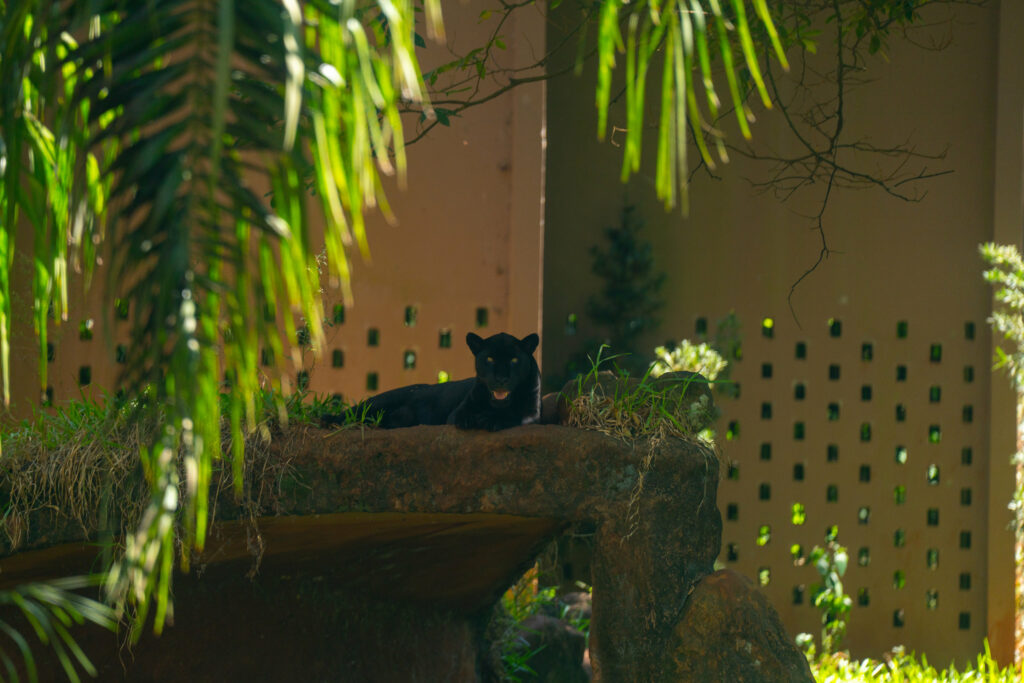
Beyond its wildlife conservation efforts, the Biological Refuge is part of the Paraná River Biodiversity Corridor and develops projects focused on forest restoration, the production of native tree seedlings, and the recovery of riparian forests surrounding the Itaipu Reservoir. These initiatives help increase connectivity between Atlantic Forest fragments and strengthen biodiversity conservation throughout the border region.
Why the Atlantic Forest in Iguazu Matters?
The Atlantic Forest in Iguazu is much more than the backdrop to the famous Iguazu Falls. It is one of the largest and most important remnants of the Atlantic Forest biome, protecting wildlife, water resources, and ecosystems that support life throughout the region. Whether exploring the trails of Iguaçu National Park, observing birds and mammals in their natural habitat, or learning about conservation initiatives at Bird Park, AquaFoz, and the Bela Vista Biological Refuge, visitors have the opportunity to experience one of Brazil’s greatest natural treasures firsthand.